It’s become an all-too-common phenomenon to see reports of school shootings etched in our newspapers and splashed on our television and computer screens. It has been an increasing wave in the last 20 years. The latest tragedy in Parkland, Florida, has sparked anger and a call for action, and with the incredible reach of the internet, that call has spread worldwide.
We think of violence against American schools as a recent trend, so I was a little surprised when a link to a Smithsonian article popped up on my Facebook news feed this weekend about a school bombing in Michigan in 1927. It was a tragedy that didn’t have the benefit of social media to shine a light on such a horrible tragedy.
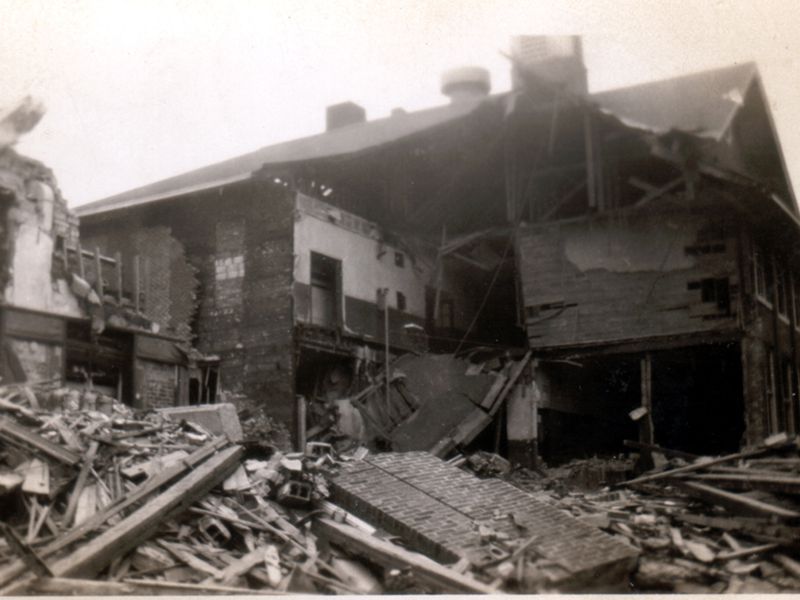
The Bath School bombing took place on the last day of school that year, May 18. The bomb was set by a school board member named Andrew Kehoe. He had set off some explosives in the north wing of the school, killing dozens of students. Amazingly, it could have been a lot worse, as there were over 500 pounds of undetonated explosives found in the basement of the school.
As if the initial explosion was not tragic enough, Kehoe drove to the school with a truck full of explosives and shrapnel as community members were trying to dig survivors out of the rubble. Kehoe took out his rifle and shot at the truck, creating another explosion that wiped out the school superintendent and several Good Samaritans. Kehoe also perished in that explosion.
Prior to his final act, Kehoe had also killed his wife and two horses, and he had burned his home to the ground. On the fence for his farm, there was a sign that read: “Criminals are made, not born.” At the time, it was one of the deadliest bombings in American history.
In a way, the age of the internet has helped us to document the current events of this country and made it so we don’t forget what has happened. Back in 1927, you only had radio and newspapers as the primary sources for news. There was no 24-hour news cycle back then, so it’s not surprising that the incident was soon forgotten, especially since, two days after the bombing, Charles Lindbergh made history with the first-ever non-stop transatlantic flight.
Now, though, with historians able to publish findings on the web, we’re able to reconnect with the past, and hopefully we can realize that violence against schools is not a new phenomenon like we might think. The frequency might have increased in recent years, but the story I read gave me a glimmer of hope that things could have been a lot worse. While some might see today’s schools as potential hotbeds of gun violence, how many folks would ever envision their community institutions of learning as possible smoking craters?
It’s something to think about as we continue to process the latest tragedy in Parkland.

 Rural Roots and American Rainbows